
Deba vs Honesuki: Which Japanese Knife for Fish and Poultry?
These two do very different heavy jobs. The deba is a thick, heavy single-bevel knife for breaking down whole fish, cutting through heads and small bones. The honesuki is a light, stiff, triangular boning knife for poultry and joints. Choose by the protein you break down most.
Deba vs Honesuki: the key differences
Both are specialist butchery knives, but the deba is built for fish and the honesuki for poultry.
| Deba | Honesuki | |
|---|---|---|
| Built for | Filleting fish, heads and small bones | Boning poultry, joints and cartilage |
| Blade | Thick, heavy, single bevel | Stiff, triangular, light |
| Weight | Heavy | Light |
| Avoid | Large mammal bones | Large mammal bones |
| Best for | Fishmongers, sushi prep | Butchering birds |
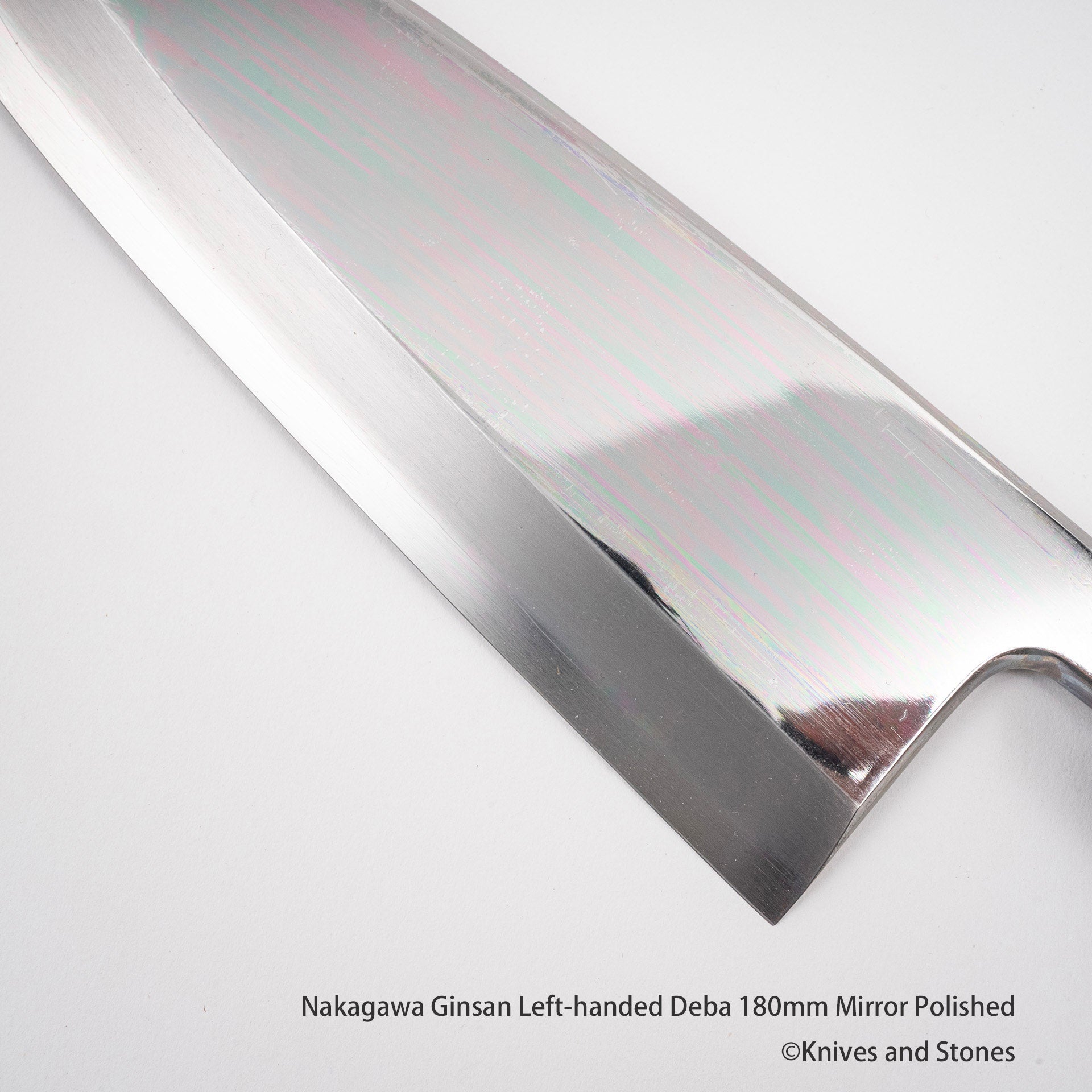
Deba: built to break down whole fish
The deba is thick and heavy with a single-bevel edge, made to break down whole fish. Its weight and rigid spine drive through fish heads and small bones that would chip a thinner knife, while the sharp edge fillets clean off the bone.
It is a specialist for fish, not an all-rounder. Keep it off large mammal bones, which will chip the hard edge, and dry the carbon steel after use. For anyone who buys and breaks down whole fish, nothing fillets and portions as cleanly.
Shop DebaHonesuki: built to break down poultry
The honesuki is a light, stiff, triangular boning knife with a reinforced tip, made to break down poultry. Where a Western boning knife flexes, the honesuki stays rigid, driving cleanly through joints and cartilage with real control around bone.
Its fine tip also handles smaller fish, and the light weight makes quick work of portioning a chicken. Like the deba, it is not for large mammal bones, and it works best when you find the joint and use the point rather than forcing the blade.
Shop Honesuki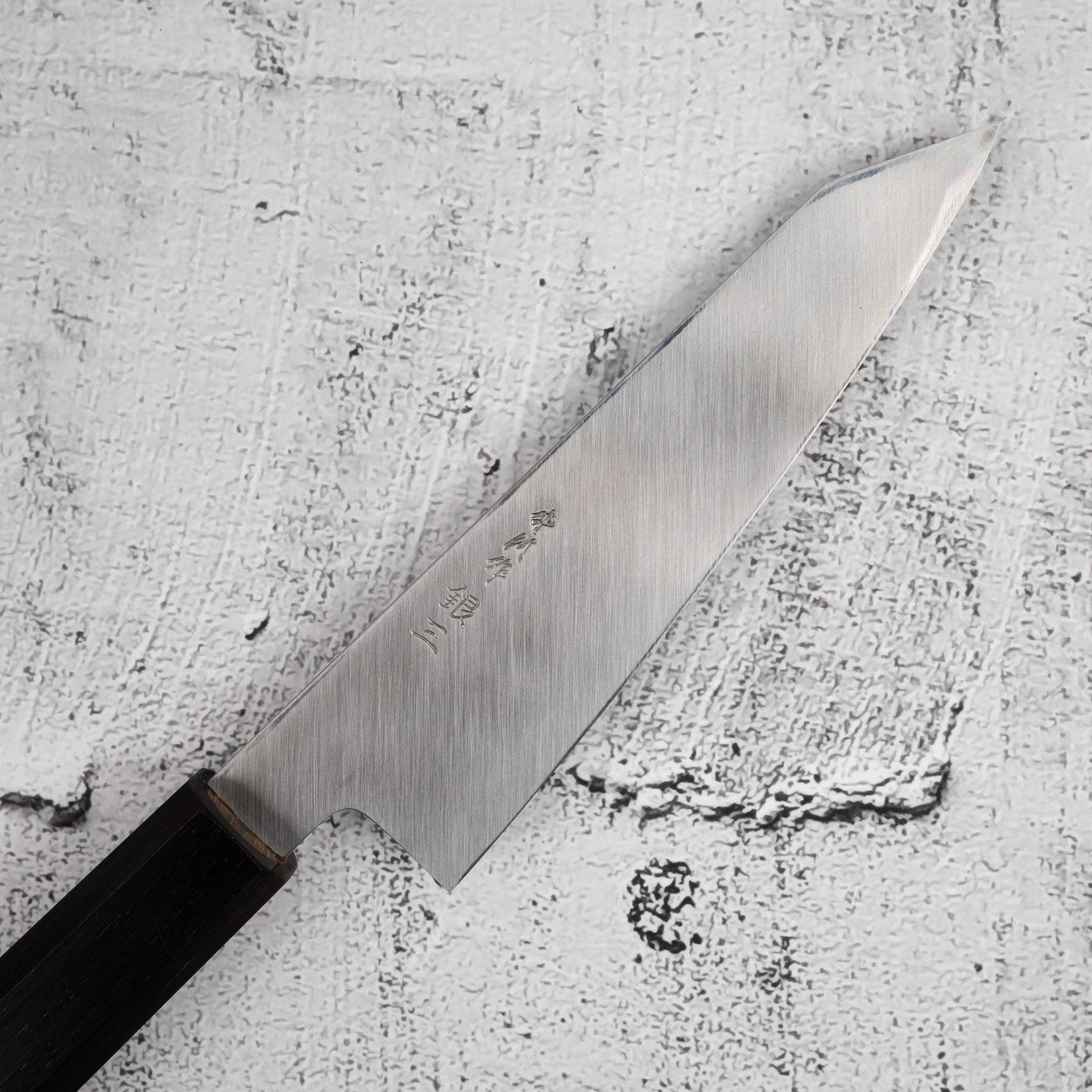
Which should you buy?
Choose the deba if you break down whole fish; choose the honesuki if you portion chickens and birds. They do different jobs, so cooks who do both often own both.
Deba for fish
You fillet and portion whole fish and need to cut through heads and small bones.
Honesuki for poultry
You break down chickens and birds and want a light, stiff knife that works cleanly around joints.
Deba vs Honesuki: frequently asked questions
What is the difference between a deba and a honesuki?
A deba is a thick, heavy single-bevel knife for fish and small bones; a honesuki is a lighter, stiff triangular knife for poultry and joints. The deba chops through fish heads, the honesuki works around joints.
Can these knives cut through bone?
They cut through fish bones and poultry joints, not large mammal bones. Beef and pork bone will chip the hard, fine edge, so use a heavier Western cleaver for those.
Do I need both a deba and a honesuki?
Only if you break down both whole fish and poultry. If you mostly fillet fish, a deba is enough; if you mostly portion birds, a honesuki is enough.
Find your butchery knife
From the fish-focused deba to the poultry honesuki, explore the range and find the right blade for the job.