
Japanese Whetstones and Sharpening Stones
A whetstone is how a Japanese knife is meant to be sharpened. Working up through graded grits, a stone grinds back a crisp, even edge that is far sharper than any pull-through sharpener and removes far less steel, so a good knife lasts for years. A few minutes on the stones brings a dull blade back to a clean, paper-slicing edge. Our range runs to 23 sharpening stones, from $17.95.
-
$92.99
$108.95Naniwa Chosera 600 Grit Japanese Waterstone With Stand
$92.99$108.95 -

-

-
$65.00
$74.95Beston (Bester) #500 Water Stone by Imanishi
$65.00$74.95








Whetstone grit guide
| Grit range | Detail |
|---|---|
| Coarse, 220 to 400 | Repairs chips and reshapes a damaged edge |
| Medium, 800 to 1200 | The main sharpening grit that resets a working edge |
| Fine, 3000 to 6000 | Refines and polishes for a keener edge |
| Finishing, 8000 plus | Brings a near-mirror, razor finish |
| Soak time | About 10 to 15 minutes for water stones |
| First stone | A 1000 and 6000 combination suits most home kitchens |
Choosing a sharpening stone
We keep 23 stones here, priced from $17.95 to $499.95, from single grits to combination and finishing stones. Water stones suit Japanese knives because they cut the hard steel quickly and leave a clean edge, while natural stones give a softer, traditional finish. Most home cooks start with a 1000 and 6000 combination and add a coarse or finishing stone later.
How to sharpen a knife on a whetstone
Soak a water stone for 10 to 15 minutes, then rest it on a damp cloth or holder so it will not slip. Hold the knife at roughly a 15-degree angle, keep light and even pressure, and push the edge across the stone from heel to tip. Work one side until a fine burr forms along the whole edge, flip the knife and repeat, then move up through the grits and finish with a few light passes to remove the burr.
Sharpening stones in stock
Koyo Sunlite Polishing Paste (Green for Copper / Brass) 100g Koyo-Sha — $17.95
Waterstone sharpening guide for knives — $19.95
King Deluxe Stone 1000 Sharpening Water Stone — $59.95
SUEHIRO #1000-3000 combo sharpening stone Japanese SKG-24 — $64.95
Beston (Bester) #500 Water Stone by Imanishi — $65.00
Shapton RockStar Sharpening Stone 1000 Grit — $75.00
Sakai Takayuki Black Ceramic Honing Rod 270mm — $79.95
SUEHIRO GT-6 Adjustable Sharpening Stand with Tray — $85.95
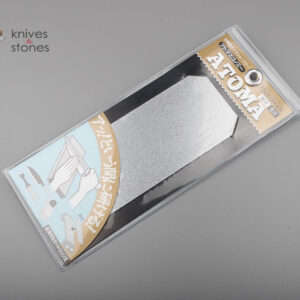
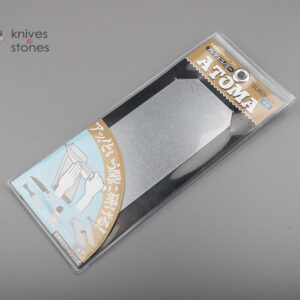
Atoma Diamond Plate Replacement Abrasive Sheet 400 Grit — $89.00
Naniwa Chosera 600 Grit Japanese Waterstone With Stand — $92.99
Shapton RockStar Sharpening Stone 3000 Grit — $93.00
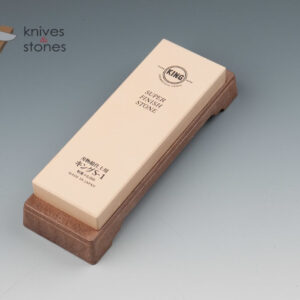
King 6000 Sharpening Water Stone S1 — $94.00
Naniwa Gouken Kagayaki 5000 Grit Sharpening Stone — $94.90
Atoma Diamond Plate Replacement Abrasive Sheet 140 Grit — $97.90
Naniwa Professional P-304 400 grit Japanese Waterstone — $97.95
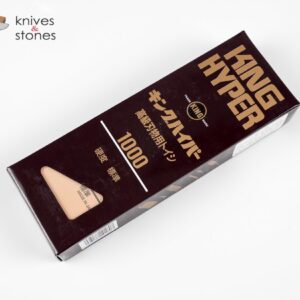
King Hyper 1000 Sharpening Water Stone — $104.95
Suehiro New Cerax 5050 Sharpening Stone with Stand #5000 Grit — $109.95
Naniwa Gouken Kagayaki 400 - 1000 Grit Sharpening Stone — $109.95
Naniwa Gouken Kagayaki 12000 Grit Sharpening Stone 20mm Thick — $110.99
Atoma Diamond Plate 400 Grit — $119.00
Atoma Diamond Plate 140 Grit — $129.00
Suehiro New Cerax #8080 Sharpening Stone with Stand, 8000 Grit — $165.00
Naniwa Chosera 10000 grit Japanese waterstone — $499.95
Whetstone questions
Should I get a 1000 or 6000 grit stone first?
Start with a 1000-grit stone; it does the real sharpening on a dull or working edge. Add a 4000 to 6000-grit stone next to refine and polish, and an 8000 grit later if you want a mirror finish.
How long should you soak a Japanese whetstone?
Most water stones need about 10 to 15 minutes in water until the bubbles stop, and you keep the surface wet while sharpening. Splash-and-go and ceramic stones need only a light spray, not a soak.
What is the best stone to sharpen Japanese knives with?
Water stones suit Japanese knives well because they cut the hard steel quickly and leave a clean edge. For harder steels such as VG10, finish on a higher grit of 3000 to 8000 for a razor edge.
Why are Japanese whetstones expensive?
Natural stones are mined, finite and graded by hand, so they carry a premium. Quality synthetic stones cost more too because their consistent abrasives cut fast and last through years of use.
Is a whetstone better than a pull-through sharpener?
Yes. A stone removes far less metal, matches the thin Japanese edge angle and gives a sharper, longer-lasting result, where a pull-through grinds away steel and rounds the edge.
Related Japanese knife ranges
Related ranges: knife care, saya covers, Japanese chef knives and our full range. Learn the technique in our guides on how to sharpen a Japanese knife and which whetstone grit to use.